SMART projects
2026-2027 Projects
All projects are open to both undergraduate and graduate students with strong academic backgrounds. Specific areas of interest are listed under each project description.
Applications are open until September 16.
Apply today!
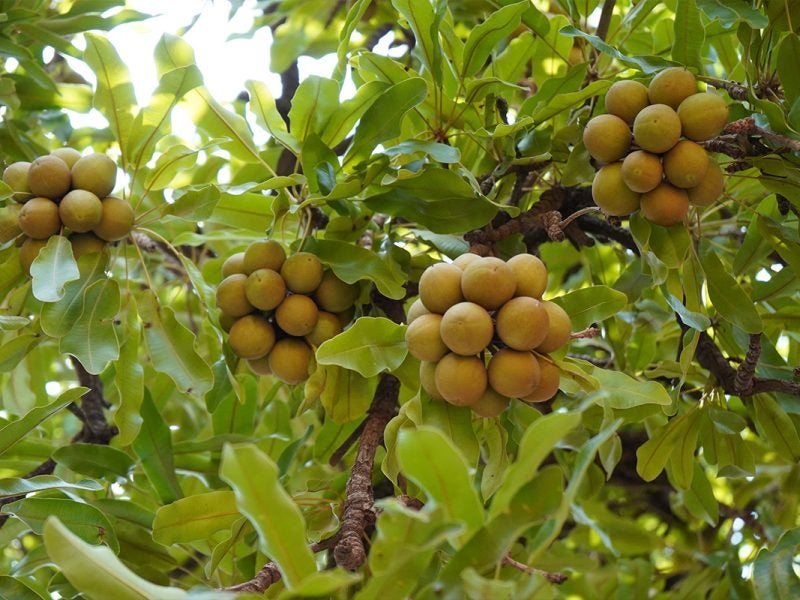
Research & market assessments around shea products to develop a scalable community development model.
Proposed Field dates:Jan. 5 –16, 2027, Uganda
Excellent project for students interested in: Applied Economics and Management, Global Development, International Development, Entrepreneurship, Marketing, Community Development

Develop a systems-based solution for collecting, integrating and analyzing high-frequency environmental, socioeconomic and governance data to strengthen carbon project governance and inform climate-smart development interventions.
Field dates: Jan. 6 –15, 2027, Kenya
Excellent project for students interested in: International Development, Data Analytics, Digital Agriculture, Economics, Climate finance, Policy.
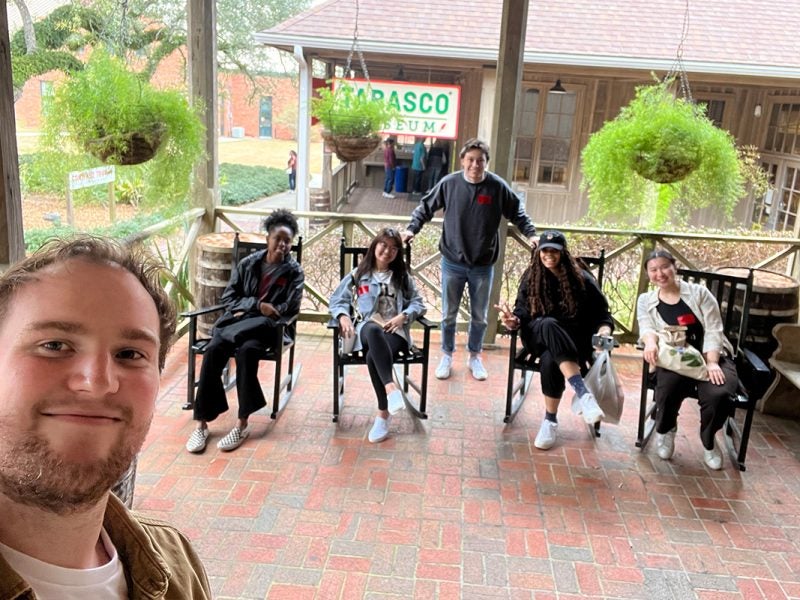
Investigate South Africa’s economic empowerment programs’ contributions to growth, sustainability and competitiveness of small and medium-sized enterprises, particularly those owned by historically disadvantaged groups.
Field dates: Jan 10 –16, 2027, South Africa
Excellent project for students interested in: Emerging markets, Policy analysis, Economic development, Business strategy, Operations research, Statistics, and/or Family Business dynamics
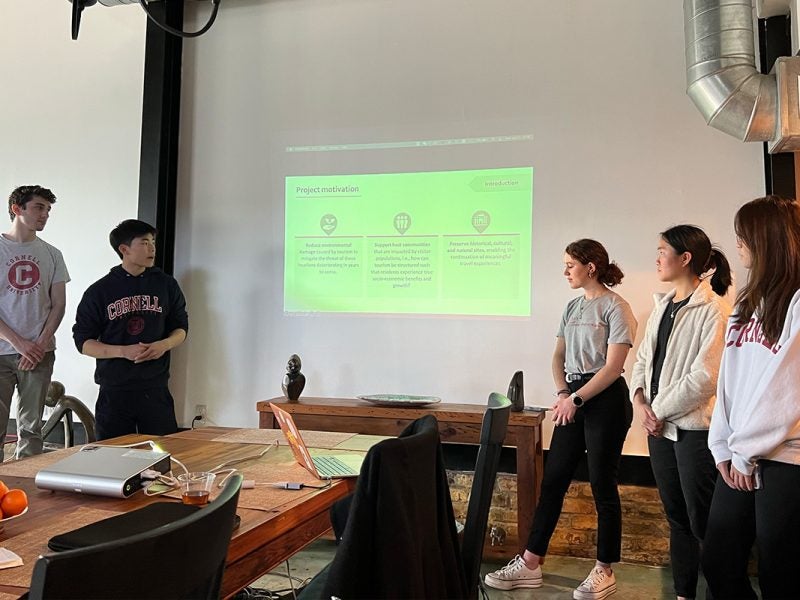
Using artificial intelligence systems to reduce natural resource conflicts across six Sahelian countries.
Proposed field dates: Jan 19-21, 2027, Washington DC.
Excellent project for students interested in: International Development, Economics, finance, Government, Peace Studies, Climate Change, Data Analytics & AI.

Develop a digital archive documenting USA for Africa’s history and grantmaking practices while investigating the sustainability of celebrity-led humanitarian initiatives and identify best practices for grantmaking organizations.
Field dates: Feb 14 –16, 2027, New York, NY
Excellent project for students interested in: International Development, Marketing, Global Development, History, Sociology, Music, Communication & Media studies, Public Policy, Africana Studies, Nonprofit management
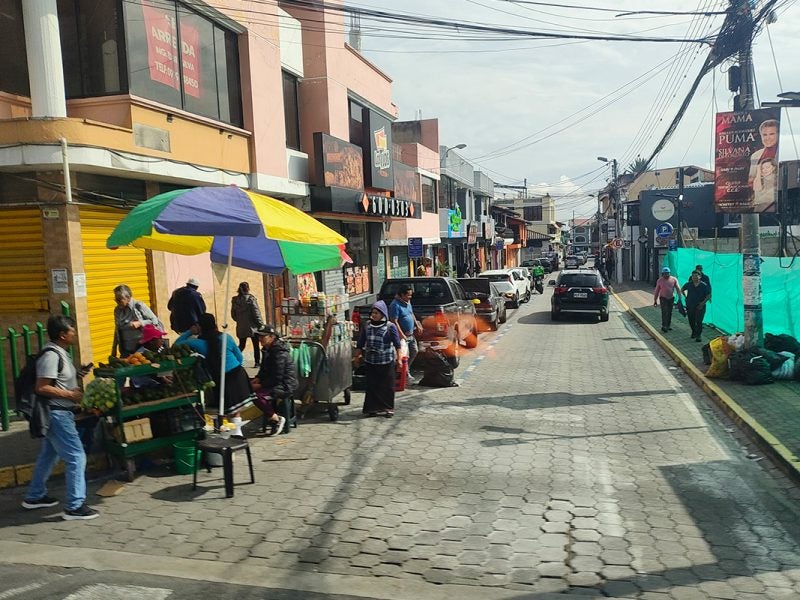
Develop a multi-institutional business plan that will enable leadership to develop strategies for expanding the reach of its products while preserving its cultural and environmental values the community shares.
Field dates: Mar 27 – Apr 2, 2027, Ecuador
Excellent project for students interested in: Business Strategy, International Development, Marketing, Nonprofit management, Food science, Entrepreneurship, Law, Graphic design, Communications
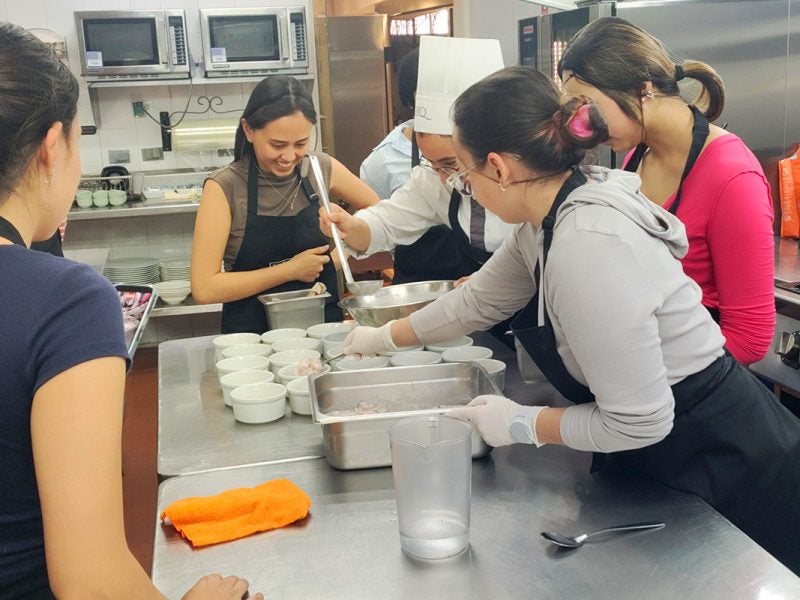
Transform a chicha based “ice cream” recipe into a high-quality, market-ready product line by improving the product’s formulation, functionality, sensory qualities and consistency while maintaining its distinctive characteristics.
Field dates: Mar.27 – Apr.2, 2027 , Ecuador
Excellent project for students interested in: Food Science, Product development, International marketing, Environmental engineering, Law, Microbiology
2025-2026 projects
Join the SMART Program
Transform your academic knowledge into real-world impact while developing valuable professional skills.