Societal impact
Impactful Research. Immersive Learning. Engaged Communities. We empower students to become principled leaders and innovative thinkers poised to create lasting positive change. As part of a land grant university, we embrace the imperative to create and share knowledge that improves people’s lives, here in New York State and across the globe.
Paths to purpose
Our students, faculty and alumni make positive impacts in communities near and far through learning, research and business activities.
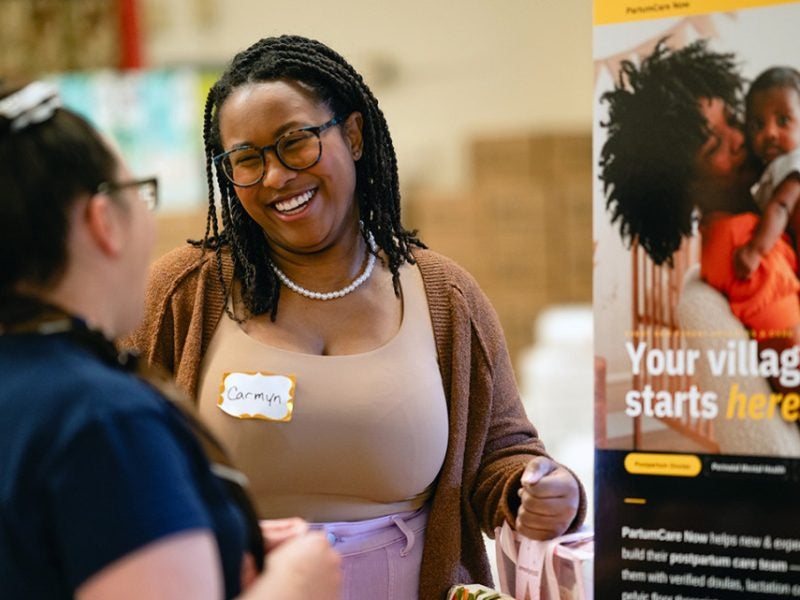
Engaged learning
With faculty support, students work individually and on teams to consult with organizations on real world issues, participate in business competitions and serve on nonprofit boards.
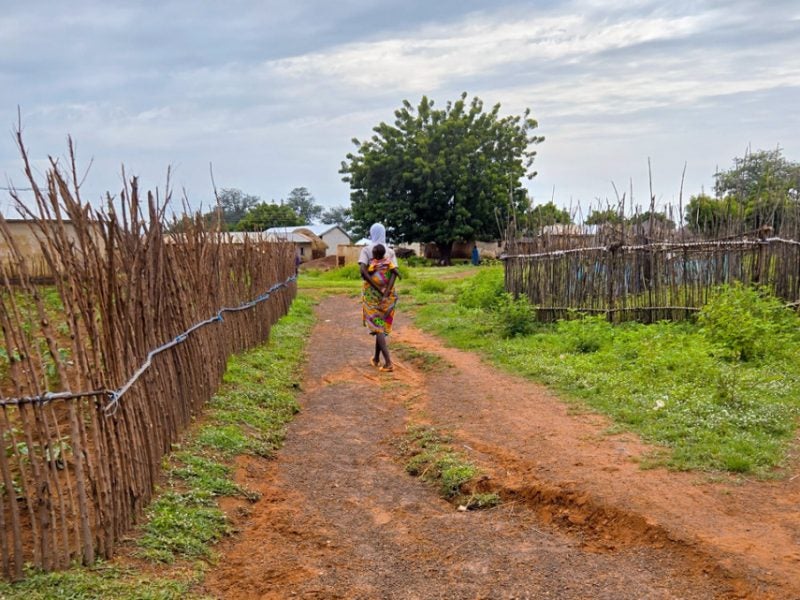
Faculty research
Faculty and their masters students and postdoctoral fellows tackle complex questions — from international development to mental health and motivation — then publish their findings and advise on policy issues.

Industry involvement
Alumni start and join mission-driven businesses and return to campus to meet, mentor and hire students. Alumni and faculty serve on boards and advise civic commissions and councils.
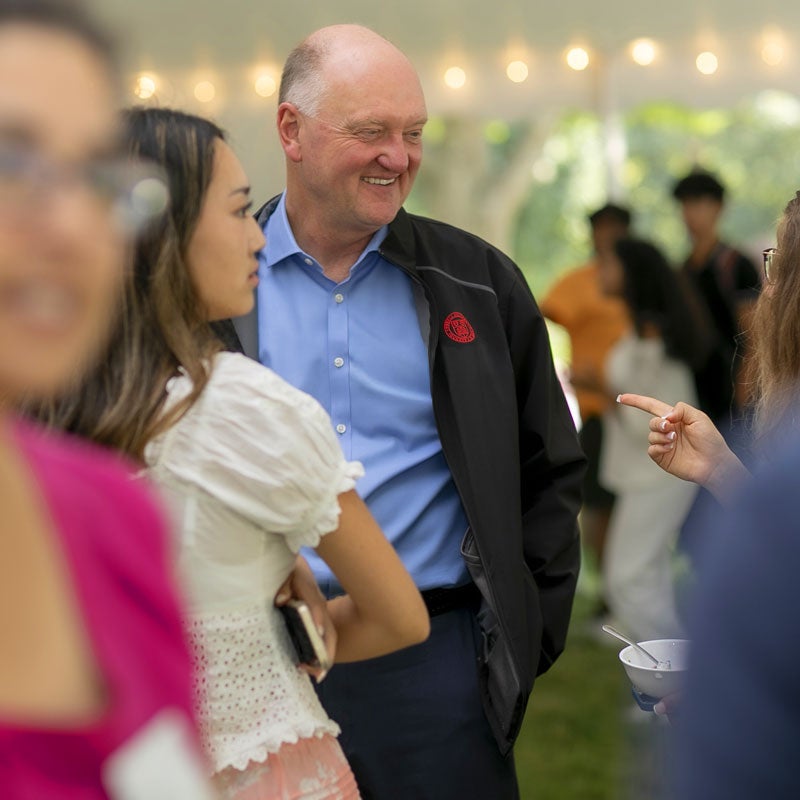
Impact through action
We demonstrate our values by creating opportunities to develop and implement business solutions to pressing societal challenges.
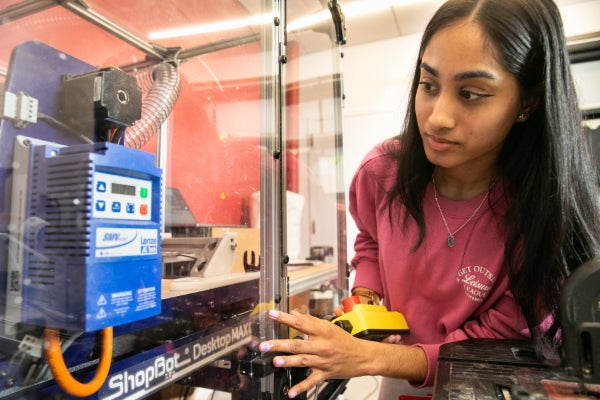
Research with Impact
Every year, our faculty members and their students participate in hundreds of research collaborations across dozens of countries and publish hundreds of articles, including white papers and peer reviewed research. Our annual Research with Impact reports highlight and celebrate these accomplishments.

Engaged College Inititiave
Every student at the college is encouraged or required to complete a community-based learning experience, whether it’s through coursework, service leadership programs or other opportunities.

VinUniversity
SC Johnson College partnered with Vingroup to establish the first private, not-for-profit Vietnamese university. During this seven-year initiative, the Cornell-VinUniversity Project Team built and supported faculty and leadership teams to validate and assure curriculum quality and guide VinUniversity toward international accreditation. The collaboration concluded after helping lay a strong foundation for VinUniversity.

Cornell Hanga Ahazaza Initiative
With a grant of $5 million from the Mastercard Foundation, the Cornell Hanga Ahazaza Initiative expanded access to hospitality and tourism education in Rwanda through eCornell online courses, virtual events and executive education programs. The initiative concluded after equipping thousands of professionals with new skills and helping strengthen Rwanda’s growing hospitality and tourism industry.
New York State impact
In support of Cornell University’s land grant mission, we advance the lives and livelihoods of New York State citizens through teaching, research, special programs and public service. Extension, Big Red Microenterprise, NY FarmNet, Cornell Tax Schools, the Cornell Cooperative Enterprise Program, and Soft Landing NY are examples of college programs and partnerships that translate knowledge into practical solutions for local communities.
$25M
Grant-funded projects serving NYS
40
NYS-based classroom projects
13K
Alumni working in NYS
Impactful dialogues
At thought-provoking events, we share insights and bring people together to examine problems, discuss new ideas and develop solutions.
The Lewis H. Durland Lecture
At this annual event, a distinguished leader shares their experience improving the world through business. Established in 1983, the lecture is presented in memory of Lewis H. Durland, Class of 1930, who served as Cornell’s chief financial officer for more than 25 years.
David J. BenDaniel Lecture in Business Ethics
This lecture was established and endowed in 2010 to emphasize ethical business leadership and demonstrate a commitment to educate moral leaders. David BenDaniel was the Margi Berens Professor of Entrepreneurship and professor of management and is fondly known as the Cornell entrepreneurship founding father.
SC Johnson College of Business Faculty Panel
This event was launched at the formation of the SC Johnson College to bring together faculty from the Johnson, Dyson, and Nolan Schools to showcase and discuss their work on the major business and policy issues of the day.
Cornell Convenes Roundtables
At in-person roundtables, leading practitioners, policymakers and researchers gather to address society’s most pressing challenges and important topics, including food waste, AI in finance, tokenization of real-world assets, leadership in a polarized workplace and more. Participants listen to expert presentations then participate in open discussions, observing the Chatham House Rule. Confidential reporting is provided to participants, encouraging ongoing dialogue and collaboration.
Our responsible management education affiliations
Our college is active in leadership of and engagement with the United Nations Principles for Responsible Management Education (PRME), an initiative of the UN Global Compact. SC Johnson College Dean Andrew Karolyi currently serves as Chair of the PRME Working Board, and the college has joined the UN Global Compact as a non-business signatory. Founded in 2007, PRME now includes more than 900 business schools worldwide, all working to transparently build sustainability into their business and management curricula.
Other college responsible management education affiliations include:
- Responsible Research in Business and Management (RRBM)
- Association for the Advancement of Collegiate Schools of Business (AACSB)
- CEMS – The Global Alliance in Management Education
- European Foundation for Management Development (EFMD)
- Network for Business Sustainability (NBS)
Cornell Business News
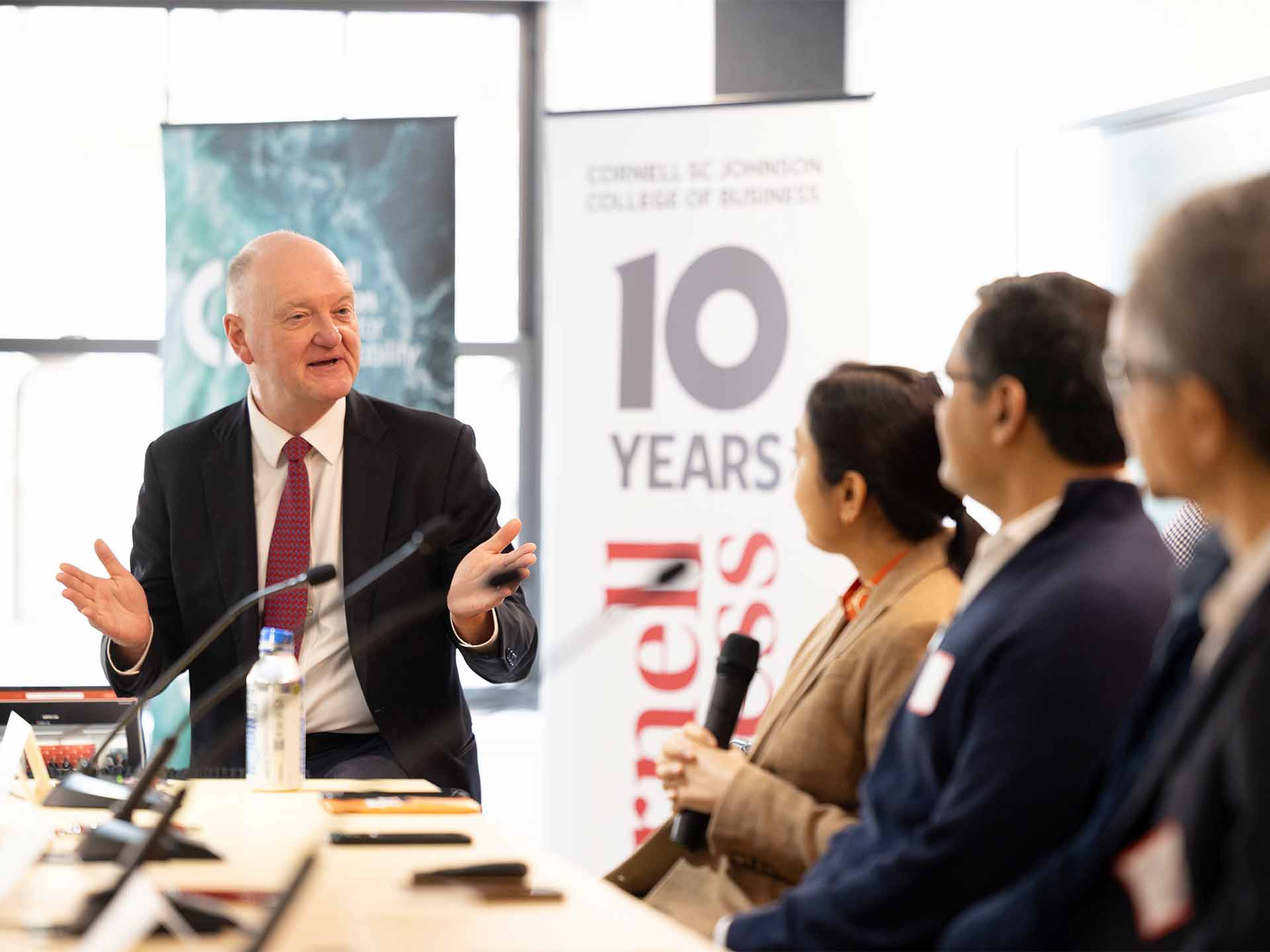
Experts spotlight financial strategies to advance sustainability
Financial strategies can advance sustainability, if environmental trade-offs can be measured and incorporated into decisions, experts said at Climate Week NYC 2026.

What’s keeping schoolchildren from eating local foods?
Bottlenecks and tradeoffs in food procurement pathways shared in a new USDA report and at Climate Week NYC.

Can AI boost open-mindedness? Team wins $1.49M grant to find out
The project, funded by the John Templeton Foundation, investigates artificial intelligence from both a psychological and a philosophical perspective.
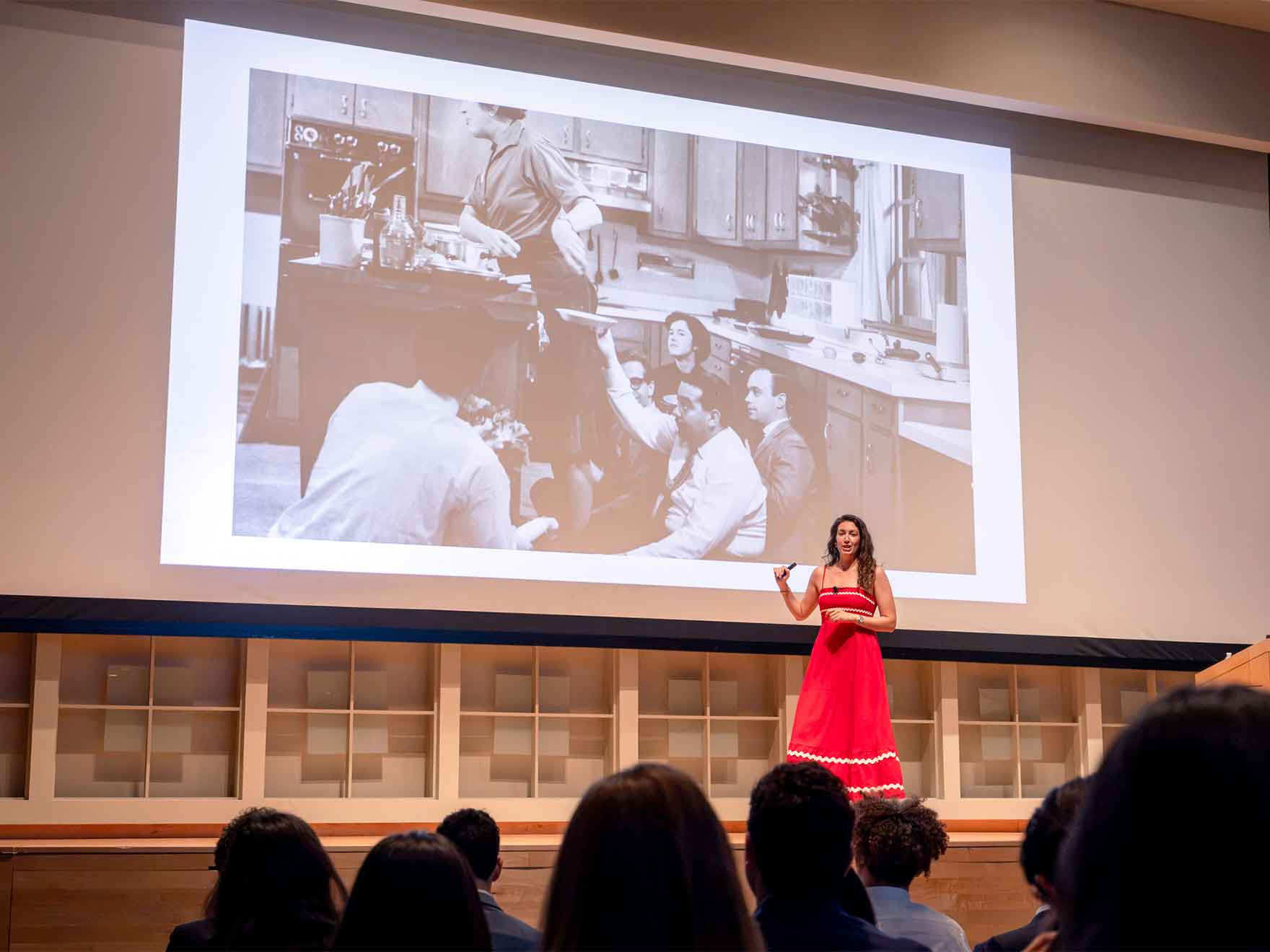
Executives reshaping hospitality to speak on campus
At the fall 2026 Nolan School Dean’s Distinguished Lecture Series, executives share expertise in food and beverage, real estate, AI, resorts and more.

Connect with us
Email Linda Barrington, associate dean for strategy and societal impact, to learn more about current and future initiatives.