Cornell Business News archive
Cornell Business News showcases the college’s transformative educational outcomes, meaningful research and courage to tackle societal challenges. This archive is a collection the articles that feature research, insights and leadership across the college from the past several years.
Filters
Results

Students consider how to honor their values with defiance
At the Dyson Dean's Distinguished Lecture September 18, professor Sunita Sah spoke about how to speak up when moral values are challenged.
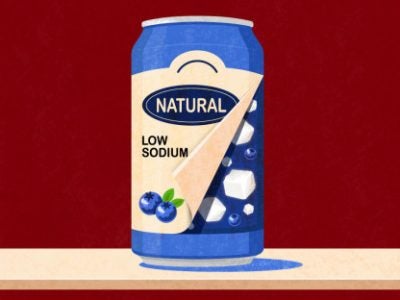
What ‘healthy’ labeling on packaged food conceals
Looking for nutritious foods in the grocery store? Don't believe everything you read.
What’s keeping schoolchildren from eating local foods?
Bottlenecks and tradeoffs in food procurement pathways shared in a new USDA report and at Climate Week NYC.

Cornellians to address AI, NY energy future at Climate Week NYC
Dean Karolyi and SC Johnson College faculty are leading events on finance for systems change and sustainable tourism.

Defibrillators prevent cardiac deaths, but only if they arrive in time
A new statistical model from the SC Johnson College can guide cities towards more effective defibrillator delivery systems.
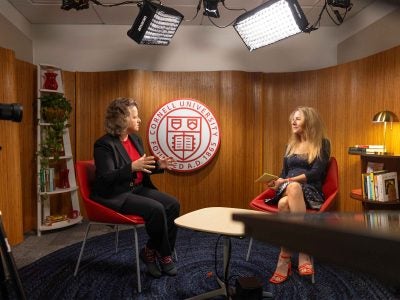
Why do we sabotage our own interests?
Behavioral economist Suzanne Shu, dean of faculty and research, explains the psychology behind procrastination and overspending in this Research Matters video podcast.
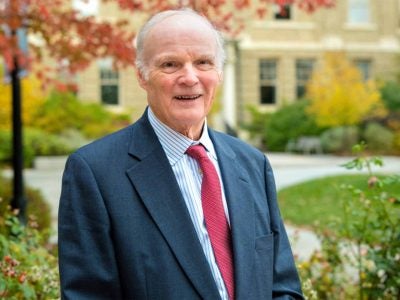
Stephen Ashley ’62, MBA ’64, trustee emeritus and CALS benefactor, dies at 86
Ashley, a Johnson School alum, served on the Cornell University Council, the Cornell Board of Trustees and the Dyson School advisory council.
SNAP overhaul impacts older adults and single parents
Age and work requirements have tightened, jeopardizing benefits for up to 1.6 million participants.
For 40 years, FarmNet has helped NY farms grow
After a career in healthcare, Melissa Keller bought a farm. FarmNet consultants helped her navigate business planning.
China’s pollution declines came at a cost
Researchers report that China’s effort to rate officials on environmental progress produced harmful impacts on the agricultural economy.
Inquiries welcome
Whether you’re a journalist seeking an expert for your next story or a member of the college community ready to submit a story idea, we’d be happy to hear from you.