Rwanda sustainable tourism teaching case study
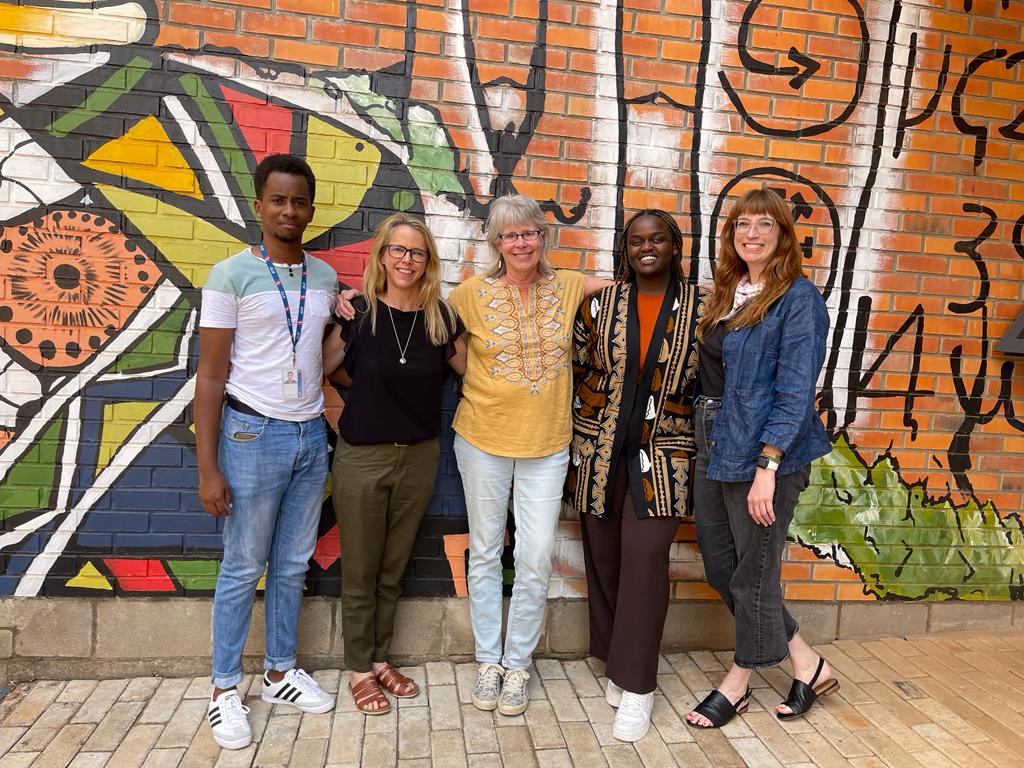
Rwanda is piloting innovative partnerships between government, private tourism operators and conservation organizations to manage protected areas in ways that generate conservation revenue while also creating economic opportunity. Our team worked with the Rwanda Development Board, local stakeholders and tourism businesses to document this work as a business teaching case study. This work was part of Cornell’s Hanga Ahazaza initiative, supported by the Mastercard Foundation, which provided educational training for professionals in Rwanda’s hospitality and tourism sectors.
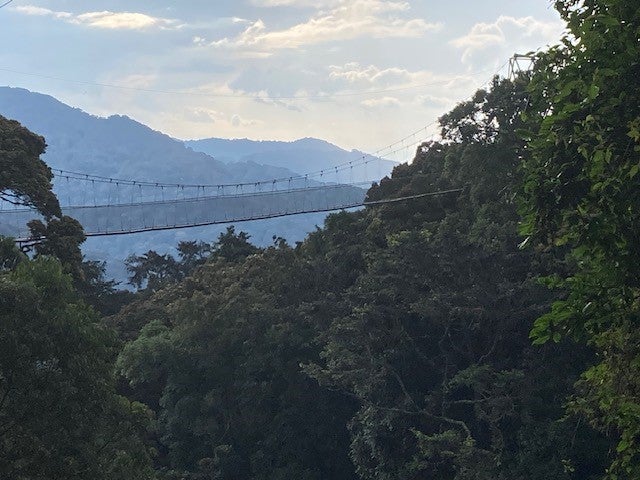
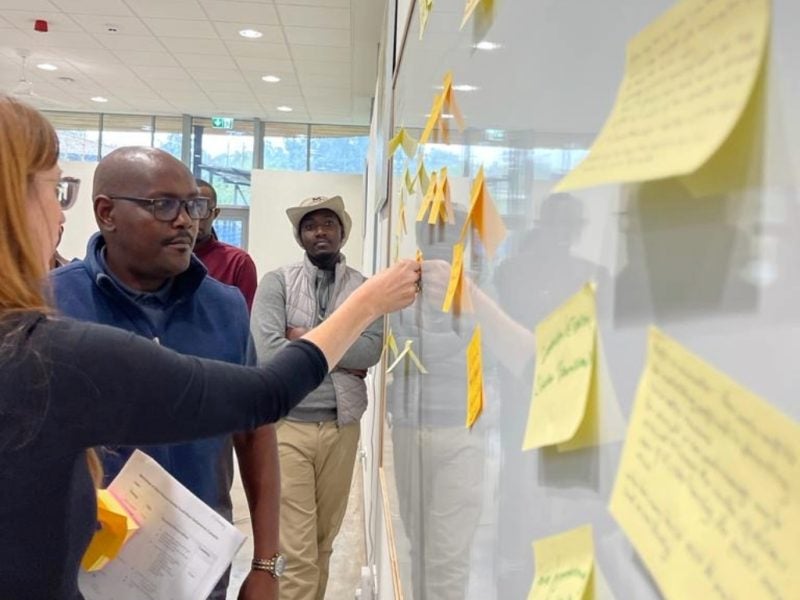
The case puts decision-makers directly into the strategic choices that protected area managers actually face—tensions between conservation outcomes, tourism revenue, and community benefit. Current and future protected area managers working on similar challenges in their own local context can use the case to think through problems before they encounter them in practice. Rather than abstract guidance, business case studies require participants work through real tradeoffs and decisions. We tested the case with educators and leaders in Rwanda and in global tourism forums.
STAMP can create similar case studies for other destinations and travel businesses piloting innovative approaches to sustainable tourism. The methodology is straightforward: identify destinations or travel companies with working models, work with stakeholders to document the decisions and tradeoffs, then structure that into a teaching tool for other practitioners. The result is a way for emerging and current leaders to learn from real experience, not theory.